Embarking on a long business trip comes with the need to navigate expenses efficiently. In this guide, we delve into strategies and tips to help you manage your finances effectively during your travels, ensuring a smooth and cost-effective journey.
Planning for Expenses
Before embarking on a long business trip, it is crucial to create a detailed budget to ensure you stay within your financial limits and avoid any unexpected financial burdens during your travels.Estimating Daily Costs
- Accommodation: Research different options such as hotels, Airbnb, or corporate housing to find the most cost-effective solution.
- Meals: Estimate daily food expenses by researching average meal costs at your destination or considering meal prep options to save money.
- Transportation: Calculate transportation expenses by researching public transportation costs, rental car prices, or potential ride-sharing services.
- Other Necessities: Include additional costs such as mobile phone plans, internet access, and any other essentials specific to your trip.
Researching Cost of Living
Researching the cost of living at your destination can provide valuable insights into how much you need to budget for various expenses. Consider factors like currency exchange rates, local prices for goods and services, and any cultural differences that may impact your spending habits.Booking Accommodation and Transportation
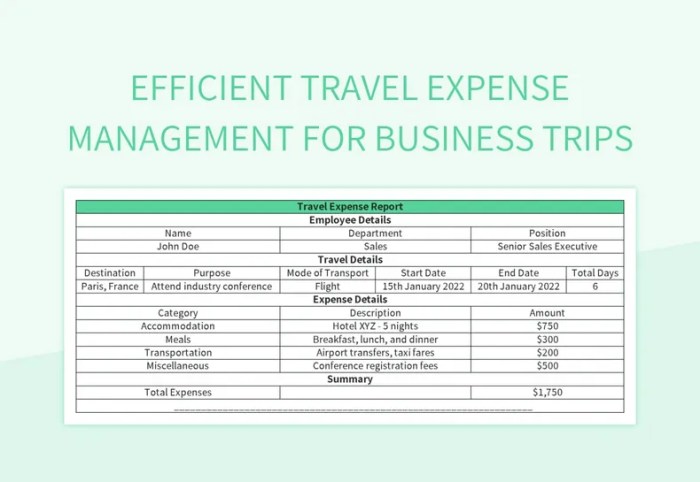 When it comes to managing expenses on a long business trip, booking accommodation and transportation in advance can play a crucial role in saving money and staying within budget. By planning ahead, you can take advantage of early booking discounts and secure better deals on both hotels and flights.
Strategies for Finding Affordable Lodging Options
Finding affordable lodging options is essential for keeping your expenses in check during a long business trip. Consider the following strategies to save money on accommodation:- Explore Airbnb: Renting a room or apartment through Airbnb can often be more cost-effective than staying in a traditional hotel.
- Consider Hostels: Hostels offer budget-friendly accommodation options, especially if you don't mind sharing a room with other travelers.
- Look for Budget Hotels: Opting for budget hotels can help you save money on accommodation without compromising on comfort and basic amenities.
Advantages of Using Public Transportation or Car Rentals
Deciding between public transportation and car rentals can significantly impact your overall travel expenses. Here are the advantages of each option:- Public Transportation: Utilizing public transportation, such as buses or trains, can be a cost-effective way to get around a new city without the added expenses of car rental, parking, and fuel.
- Car Rentals: Renting a car can provide more flexibility and convenience, especially if you need to travel to multiple locations or have a tight schedule. Look for discounts and consider fuel-efficient options to save on costs.
Meal Planning and Dining Choices
When on a long business trip, managing meal expenses is crucial to staying within budget. Planning ahead and making wise dining choices can help save money and ensure you have enough funds for other necessities.
Benefits of Preparing Meals in Advance or Grocery Shopping
- Preparing meals in advance or opting for grocery shopping can save money compared to eating out for every meal.
- It allows you to have control over the ingredients and portion sizes, promoting healthier eating habits.
- You can also save time by having meals ready to go, especially during busy workdays.
Tips for Finding Restaurants with Reasonable Prices
- Look for local eateries or food markets where prices are often more budget-friendly than popular tourist spots.
- Utilize apps or websites that offer discounts or deals on dining to save some money.
- Consider sharing meals with colleagues or opting for lunch specials to cut costs.
Setting a Daily Food Budget and Sticking to It
- Calculate an average daily food budget based on your overall trip budget and the number of days you will be traveling.
- Track your expenses daily to ensure you are staying within your set food budget.
- Avoid impulse dining choices and plan your meals ahead of time to prevent overspending.
Managing Work-Related Expenses
When you're on a long business trip, managing work-related expenses is essential to ensure accurate reimbursement and maintain financial records. Here are some insights and strategies to help you handle these expenses effectively.
Tracking and Documenting Work-Related Expenses
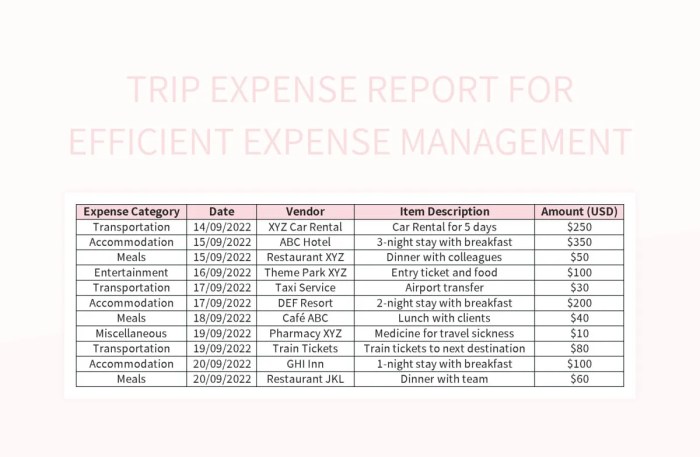
It's crucial to keep track of all work-related expenses incurred during your trip. This includes costs such as transportation, accommodation, meals, and any other business-related expenses. To make this process easier, consider using expense tracking apps or software that allow you to input expenses and upload receipts digitally.
- Use a designated folder or envelope to store all physical receipts and invoices.
- Document each expense as soon as it occurs to avoid missing or forgetting any details.
- Include important information such as the date, amount, purpose, and any applicable notes for each expense.
- Regularly review and reconcile your expenses to ensure accuracy and completeness.
Separating Personal and Business Expenses
It's essential to keep personal and business expenses separate to avoid confusion and ensure accurate accounting. Here are some strategies to help you distinguish between the two:
- Use separate payment methods for personal and business expenses, such as a dedicated business credit card.
- Avoid using cash for business expenses to track and document transactions more efficiently.
- Keep personal purchases and receipts separate from those related to work to simplify the reimbursement process.
- When in doubt, err on the side of caution and classify any ambiguous expenses as personal rather than business-related.
Importance of Keeping Receipts and Maintaining Organized Records
Keeping receipts and maintaining organized records of your work-related expenses is crucial for both reimbursement and accounting purposes. Here's why it's essential:
Receipts serve as proof of your expenses and are required for reimbursement from your employer or for tax purposes.
- Organized records make it easier to track and analyze your spending patterns, identify cost-saving opportunities, and create accurate financial reports.
- Having detailed records can help you justify expenses, adhere to company policies, and provide transparency in your financial dealings.
- Regularly review and update your records to ensure they are up to date and accurate.
Last Point
To wrap up our discussion on managing expenses on a long business trip, remember that careful planning and mindful spending are key to a successful and stress-free travel experience. By implementing the tips shared in this guide, you can stay on top of your budget while making the most of your business trip.
FAQ Insights
How can I ensure I stay within budget while on a business trip?
One way is to plan and set a daily budget for different expense categories before your trip, allowing for better financial control.
Is it necessary to keep track of receipts for all expenses?
Yes, keeping receipts and documenting expenses is crucial for reimbursement and accounting purposes, ensuring accuracy in financial records.
What are some cost-effective meal options during a long business trip?
Opting for grocery shopping and preparing some meals in advance can help save money, while also exploring local eateries with affordable prices is a good choice.
Embarking on a long business trip comes with the need to navigate expenses efficiently. In this guide, we delve into strategies and tips to help you manage your finances effectively during your travels, ensuring a smooth and cost-effective journey.
Planning for Expenses
Before embarking on a long business trip, it is crucial to create a detailed budget to ensure you stay within your financial limits and avoid any unexpected financial burdens during your travels.Estimating Daily Costs
- Accommodation: Research different options such as hotels, Airbnb, or corporate housing to find the most cost-effective solution.
- Meals: Estimate daily food expenses by researching average meal costs at your destination or considering meal prep options to save money.
- Transportation: Calculate transportation expenses by researching public transportation costs, rental car prices, or potential ride-sharing services.
- Other Necessities: Include additional costs such as mobile phone plans, internet access, and any other essentials specific to your trip.
Researching Cost of Living
Researching the cost of living at your destination can provide valuable insights into how much you need to budget for various expenses. Consider factors like currency exchange rates, local prices for goods and services, and any cultural differences that may impact your spending habits.Booking Accommodation and Transportation
When it comes to managing expenses on a long business trip, booking accommodation and transportation in advance can play a crucial role in saving money and staying within budget. By planning ahead, you can take advantage of early booking discounts and secure better deals on both hotels and flights.Strategies for Finding Affordable Lodging Options
Finding affordable lodging options is essential for keeping your expenses in check during a long business trip. Consider the following strategies to save money on accommodation:- Explore Airbnb: Renting a room or apartment through Airbnb can often be more cost-effective than staying in a traditional hotel.
- Consider Hostels: Hostels offer budget-friendly accommodation options, especially if you don't mind sharing a room with other travelers.
- Look for Budget Hotels: Opting for budget hotels can help you save money on accommodation without compromising on comfort and basic amenities.
Advantages of Using Public Transportation or Car Rentals
Deciding between public transportation and car rentals can significantly impact your overall travel expenses. Here are the advantages of each option:- Public Transportation: Utilizing public transportation, such as buses or trains, can be a cost-effective way to get around a new city without the added expenses of car rental, parking, and fuel.
- Car Rentals: Renting a car can provide more flexibility and convenience, especially if you need to travel to multiple locations or have a tight schedule. Look for discounts and consider fuel-efficient options to save on costs.
Meal Planning and Dining Choices
When on a long business trip, managing meal expenses is crucial to staying within budget. Planning ahead and making wise dining choices can help save money and ensure you have enough funds for other necessities.
Benefits of Preparing Meals in Advance or Grocery Shopping
- Preparing meals in advance or opting for grocery shopping can save money compared to eating out for every meal.
- It allows you to have control over the ingredients and portion sizes, promoting healthier eating habits.
- You can also save time by having meals ready to go, especially during busy workdays.
Tips for Finding Restaurants with Reasonable Prices
- Look for local eateries or food markets where prices are often more budget-friendly than popular tourist spots.
- Utilize apps or websites that offer discounts or deals on dining to save some money.
- Consider sharing meals with colleagues or opting for lunch specials to cut costs.
Setting a Daily Food Budget and Sticking to It
- Calculate an average daily food budget based on your overall trip budget and the number of days you will be traveling.
- Track your expenses daily to ensure you are staying within your set food budget.
- Avoid impulse dining choices and plan your meals ahead of time to prevent overspending.
Managing Work-Related Expenses
When you're on a long business trip, managing work-related expenses is essential to ensure accurate reimbursement and maintain financial records. Here are some insights and strategies to help you handle these expenses effectively.
Tracking and Documenting Work-Related Expenses
It's crucial to keep track of all work-related expenses incurred during your trip. This includes costs such as transportation, accommodation, meals, and any other business-related expenses. To make this process easier, consider using expense tracking apps or software that allow you to input expenses and upload receipts digitally.
- Use a designated folder or envelope to store all physical receipts and invoices.
- Document each expense as soon as it occurs to avoid missing or forgetting any details.
- Include important information such as the date, amount, purpose, and any applicable notes for each expense.
- Regularly review and reconcile your expenses to ensure accuracy and completeness.
Separating Personal and Business Expenses
It's essential to keep personal and business expenses separate to avoid confusion and ensure accurate accounting. Here are some strategies to help you distinguish between the two:
- Use separate payment methods for personal and business expenses, such as a dedicated business credit card.
- Avoid using cash for business expenses to track and document transactions more efficiently.
- Keep personal purchases and receipts separate from those related to work to simplify the reimbursement process.
- When in doubt, err on the side of caution and classify any ambiguous expenses as personal rather than business-related.
Importance of Keeping Receipts and Maintaining Organized Records
Keeping receipts and maintaining organized records of your work-related expenses is crucial for both reimbursement and accounting purposes. Here's why it's essential:
Receipts serve as proof of your expenses and are required for reimbursement from your employer or for tax purposes.
- Organized records make it easier to track and analyze your spending patterns, identify cost-saving opportunities, and create accurate financial reports.
- Having detailed records can help you justify expenses, adhere to company policies, and provide transparency in your financial dealings.
- Regularly review and update your records to ensure they are up to date and accurate.
Last Point
To wrap up our discussion on managing expenses on a long business trip, remember that careful planning and mindful spending are key to a successful and stress-free travel experience. By implementing the tips shared in this guide, you can stay on top of your budget while making the most of your business trip.
FAQ Insights
How can I ensure I stay within budget while on a business trip?
One way is to plan and set a daily budget for different expense categories before your trip, allowing for better financial control.
Is it necessary to keep track of receipts for all expenses?
Yes, keeping receipts and documenting expenses is crucial for reimbursement and accounting purposes, ensuring accuracy in financial records.
What are some cost-effective meal options during a long business trip?
Opting for grocery shopping and preparing some meals in advance can help save money, while also exploring local eateries with affordable prices is a good choice.